Call Ducks breed guide
Call duck history as decoys and show birds, bantam care, and tips for hatching this tricky breed.
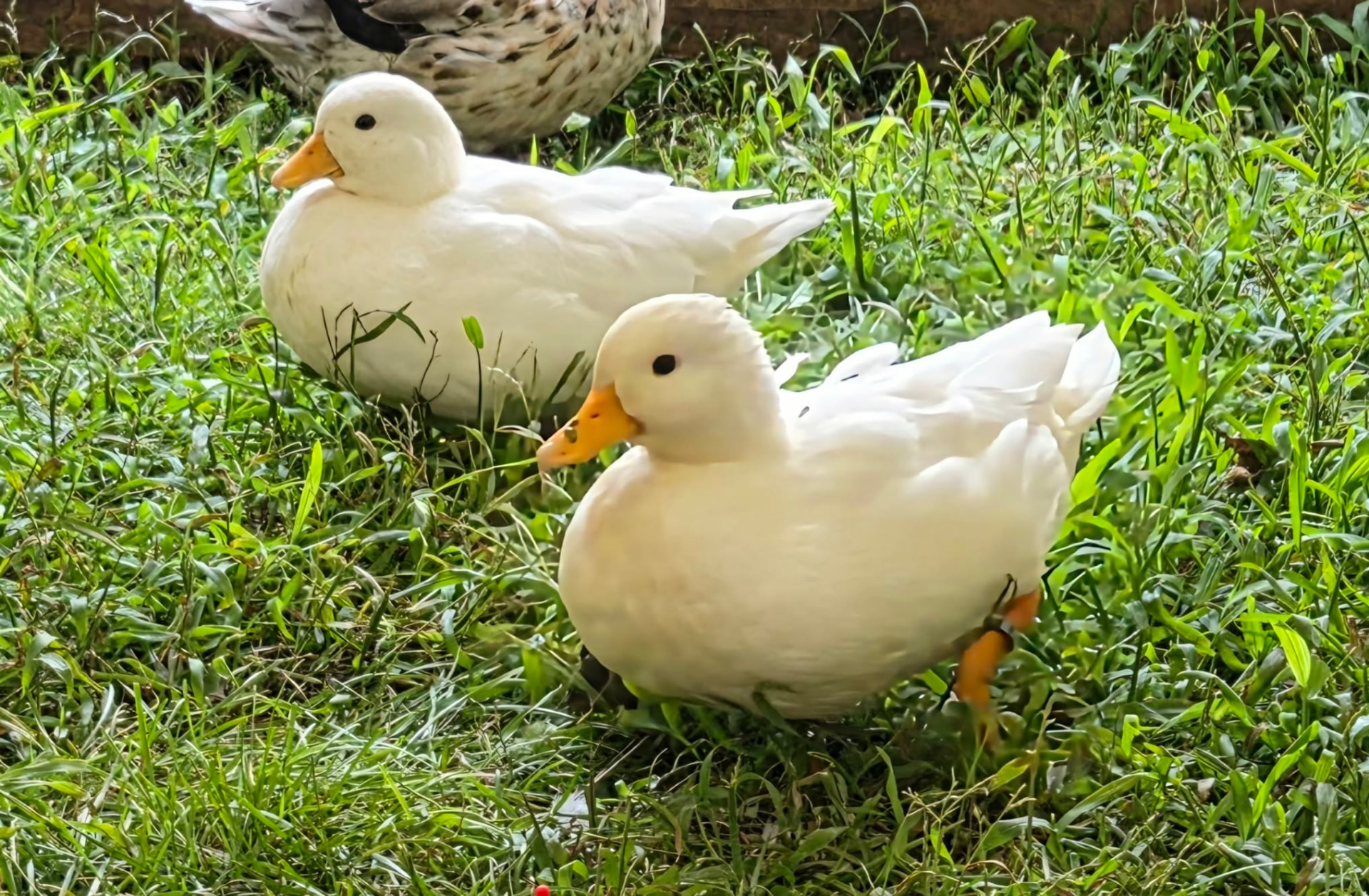 Photo: Serenity's Cluckin' Chaos
History & origins
- Call ducks began in the Netherlands as live decoys — their loud, constant call lured wild ducks to hunters' nets.
- Britain standardized them as an exhibition bantam in the late 1800s, prizing a short round head, tiny bill, and compact body.
Care & housing
- Bantam-sized but loud: expect real noise from hens, which makes them a poor fit for tight suburban lots.
- Provide shallow, easy-exit water and low ramps — their small size makes deep tubs a drowning risk for ducklings.
- Predator-proof tightly; calls are small enough for hawks, mink, and cats to take.
Breeding tips
- Hatch rates run lower than standard ducks; the short bill makes pipping hard, so keep lockdown humidity at 70-75%.
- Pair by type — extreme short-bill show lines are the hardest to hatch, and outcrossing to a moderate bird helps vigor.
- Calls are frequently broody and make excellent natural mothers for their own eggs.