Guinea Fowl breed guide
Guinea fowl for tick control: keet brooding, training to a coop, and free-range management.
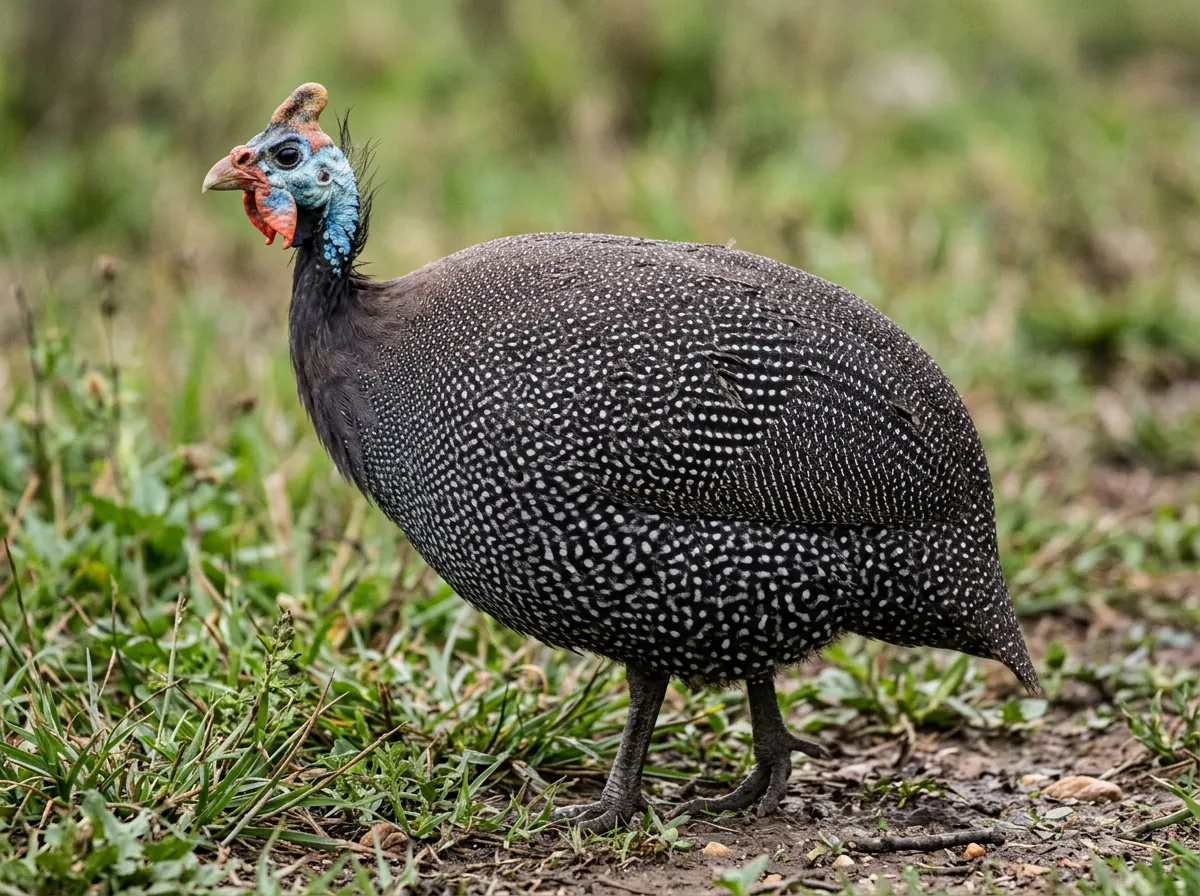
History & origins
- Helmeted guinea fowl are native to West Africa and were kept by the Greeks and Romans before spreading to farms worldwide.
- American homesteads adopted them as tick eaters and living alarm systems rather than as table birds.
Care & housing
- Keets need 24-26% protein starter and a very dry brooder — they chill and drown easily.
- Train adults to a coop with an evening feed ritual for 6 weeks before allowing free range, or they will roost in trees.
- They are loud and semi-wild; guineas suit acreage, not close neighbors.
Breeding tips
- Hens hide communal nests in tall grass; collect daily or you will lose hens to predators while they sit.
- Incubate 26-28 days; keets are best brooded artificially since guinea hens are careless mothers.
- Keep a rough 1:4 male-to-female ratio in a breeding flock.